Best Coconut Cream for Thai Curry (Restaurant Buying Guide)
What to look for in coconut cream for curries — fat content, consistency, heat stability, and which brands deliver.
A great Thai curry starts with great coconut cream. The cream is the foundation — it carries the curry paste flavors, creates the sauce body, and determines whether the dish is silky or thin. For restaurant kitchens running 50-200 covers a night, consistency matters as much as quality.
What Makes Good Curry Coconut Cream?
1. High Fat Content (20%+ minimum)
Fat is what makes a curry sauce coat the spoon and cling to the protein. Low-fat coconut milk produces watery, thin curries that break under heat. For Thai curries specifically, you want 20-25% fat content.
Kara coconut cream is 24% fat (±1%) — at the top of the range. This means richer curries, better sauce body, and no need to reduce the sauce down to get the right consistency.
2. Heat Stability
Thai curry technique starts by “cracking” the coconut cream — cooking it over high heat until the fat separates, then frying the curry paste in that fat. Low-quality coconut cream won't crack properly. High-fat UHT cream like Kara separates cleanly, giving you that authentic two-stage cooking process.
3. Neutral Flavor Profile
The coconut cream should taste like coconut — not like additives, preservatives, or metallic canning. Kara uses no preservatives, no flavourings, no colourings. The ingredient list is coconut extract and water. That's it.
4. Consistency Between Batches
Restaurant kitchens need every curry to taste the same. UHT processing ensures Kara's fat content is 24% ±1% in every pack. Canned coconut cream varies more — one can might be thick, the next one watery, because the fat separates unpredictably during shipping and storage.
Coconut Cream in Different Curries
Thai Green & Red Curry
Use undiluted coconut cream for the base — crack it, fry the paste, then add more cream and protein. For a thinner consistency, dilute the second addition 1:1 with water or stock.
Massaman Curry
Massaman needs a thick, rich sauce. Use full-strength coconut cream throughout. The long braise time concentrates flavors — starting with diluted milk gives you a thin result.
Indian Korma & Coconut Curries
South Indian and Sri Lankan curries often use coconut milk rather than cream. Dilute Kara 1:1 with water for these styles. For North Indian korma, use undiluted for the rich, creamy finish.
Laksa & Soup Curries
Dilute 1:1 for the broth base. The soup should be creamy but pourable, not thick like a sauce. One liter of cream makes two liters of laksa broth.
Cost Per Dish
A typical restaurant curry uses 150-200ml of coconut cream per serving. At $3.58/liter (Kara pricing), that's $0.54-0.72 per dish for the coconut component. On a menu item priced $14-18, coconut cream is 3-5% of the sell price.
The Ethical Edge
If you're running a Thai restaurant, your customers might notice if you're using Chaokoh or Aroy-D — both Thai brands implicated in monkey labor. Switching to Kara (Indonesian, verified monkey-free) gives you an ethical sourcing story that resonates with diners who care.
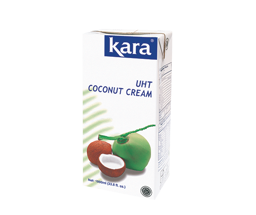
Ready to try Kara Coconut Cream?
1000ml UHT Tetra Pak. 24% fat. 18-month shelf life. No refrigeration. Monkey-labor-free. $43/case (12 packs).