Kara vs Chaokoh vs Aroy-D: Coconut Cream Comparison (2026)
The three most common coconut cream brands in the US, compared on every metric that matters for food service buyers.
If you're buying coconut cream for a restaurant, bakery, or food service operation, you've probably used Chaokoh or Aroy-D. They've been the default choices for decades. But the landscape has changed — here's how they compare to Kara in 2026.
The Full Comparison
| Kara | Chaokoh | Aroy-D | |
|---|---|---|---|
| Origin | Indonesia | Thailand | Thailand |
| Manufacturer | Sambu Group (5M coconuts/day) | Theppadungporn Coconut Co. | Thai Agri Foods PCL |
| Fat Content | 24% (±1%) | 18-22% | 17-19% |
| Format | UHT Tetra Pak | Can | UHT Tetra Pak & Can |
| Shelf Life | 18 months | 3 years (canned) | 12 months (UHT) |
| Monkey-Free | Yes (verified) | No (implicated) | No (implicated) |
| Halal | Yes (MUI) | Some products | Some products |
| Kosher | Yes (OK Kosher) | No | Limited |
| Non-GMO | Non-GMO Project Verified | Not certified | Not certified |
| Rainforest Alliance | Yes | No | No |
| Preservatives | None | Contains citric acid, emulsifiers | None (UHT line) |
| Retail Price/Can | ~$3.28 (retail) | ~$2.49 | ~$2.49-8.89 |
| Dropped by Retailers? | No | Yes — 40,000+ stores | Yes — multiple retailers |
Where Kara Wins
1. Fat Content
At 24%, Kara has the highest fat content of the three. This means richer curries, better sauce body, and a creamier texture in every dish. Chaokoh and Aroy-D typically run 17-22% — noticeably thinner.
2. Ethical Sourcing
This is the elephant in the room. Both Chaokoh and Aroy-D are Thai brands that PETA has implicated in forced monkey labor — chaining pig-tailed macaques to harvest coconuts. Over 40,000 stores worldwide (Walmart, Target, Costco, Wegmans) have dropped these brands.
Kara is from Indonesia, which PETA confirms is completely free of monkey labor. If you're a retailer or restaurant, stocking Chaokoh or Aroy-D carries reputational risk.
3. Certification Stack
Kara holds Halal + Kosher + Non-GMO + Rainforest Alliance + FSSC 22000. Neither Chaokoh nor Aroy-D matches this. If you serve halal-conscious customers, kosher diners, or health-focused consumers, Kara covers all of them with one product.
4. Clean Label
Kara: coconut extract + water. That's it. Chaokoh adds citric acid, sodium metabisulfite, and emulsifiers. For clean-label menus and health-conscious consumers, Kara wins.
Where Chaokoh / Aroy-D Win
1. Price (at retail)
Chaokoh is typically $0.50-1.00 cheaper per unit at retail. For wholesale/food service, the gap narrows significantly. And once you factor in Kara's higher fat content (less product needed per dish), the effective cost per dish is comparable.
2. Availability
Chaokoh and Aroy-D are available at virtually every Asian grocery store. Kara has more limited US distribution — primarily through Takari International (West Coast) and now through us on the East Coast.
3. Canned Format
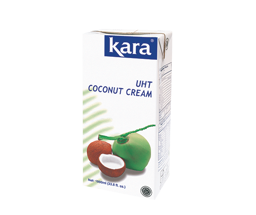
Some kitchens prefer cans (longer shelf life, familiar format). Kara's primary format is UHT Tetra Pak — lighter, easier to open, and recyclable, but different from what some chefs are used to.
The Bottom Line
If you've been using Chaokoh or Aroy-D, there are three reasons to switch to Kara:
- Ethical sourcing — avoid the monkey labor controversy entirely
- Higher fat content — richer, more consistent results
- Certification coverage — halal, kosher, non-GMO, and more
The price difference is marginal at wholesale. The quality difference is measurable. The ethical difference is clear.
Ready to try Kara Coconut Cream?
1000ml UHT Tetra Pak. 24% fat. 18-month shelf life. No refrigeration. Monkey-labor-free. $43/case (12 packs).